

Skip to content

What are you looking for?

Popular Searches:

Popular Products


A Practical Guide to Kids Bed Design That Grows with Your Child - Luxe Maple

  • by Luxe Maple
A Practical Guide to Kids Bed Design That Grows with Your Child - Luxe Maple

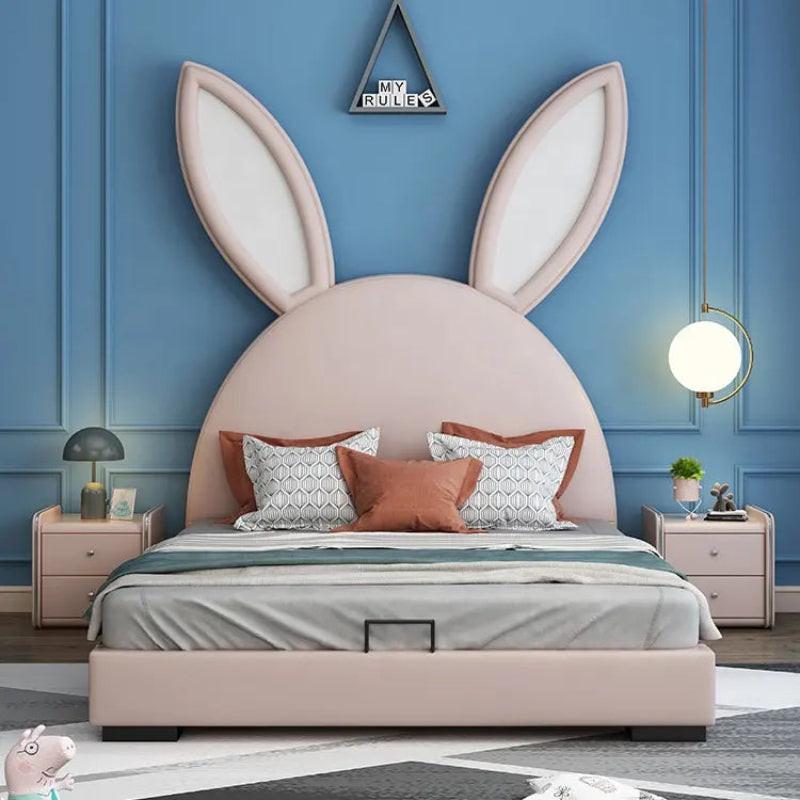
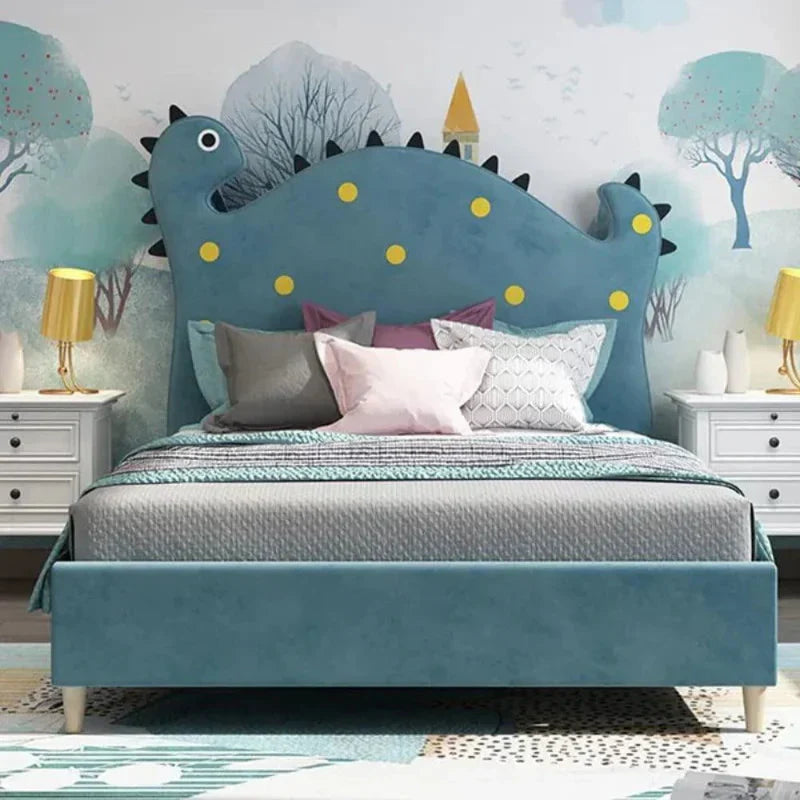
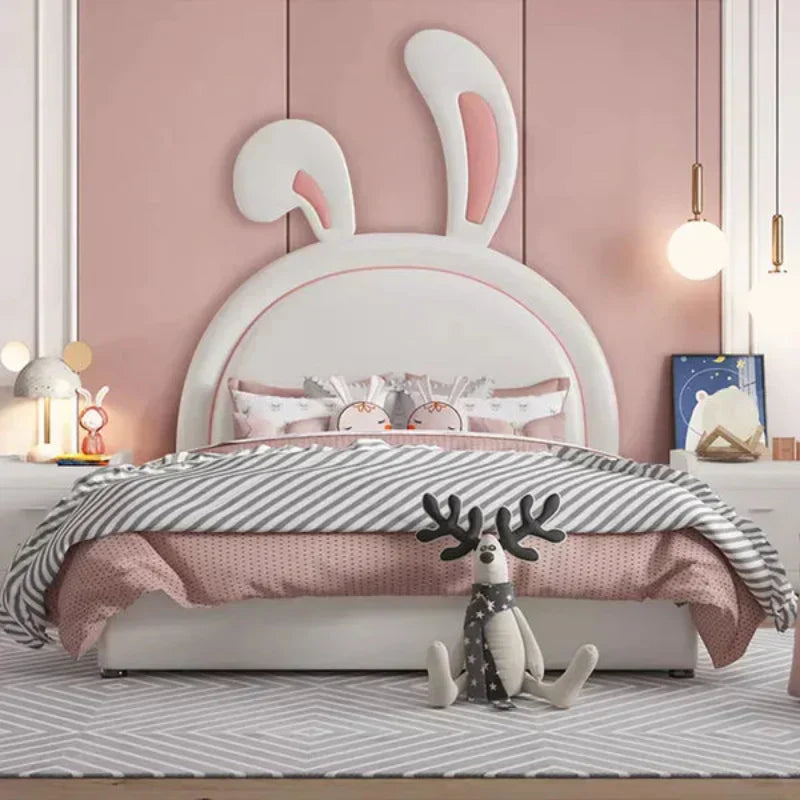
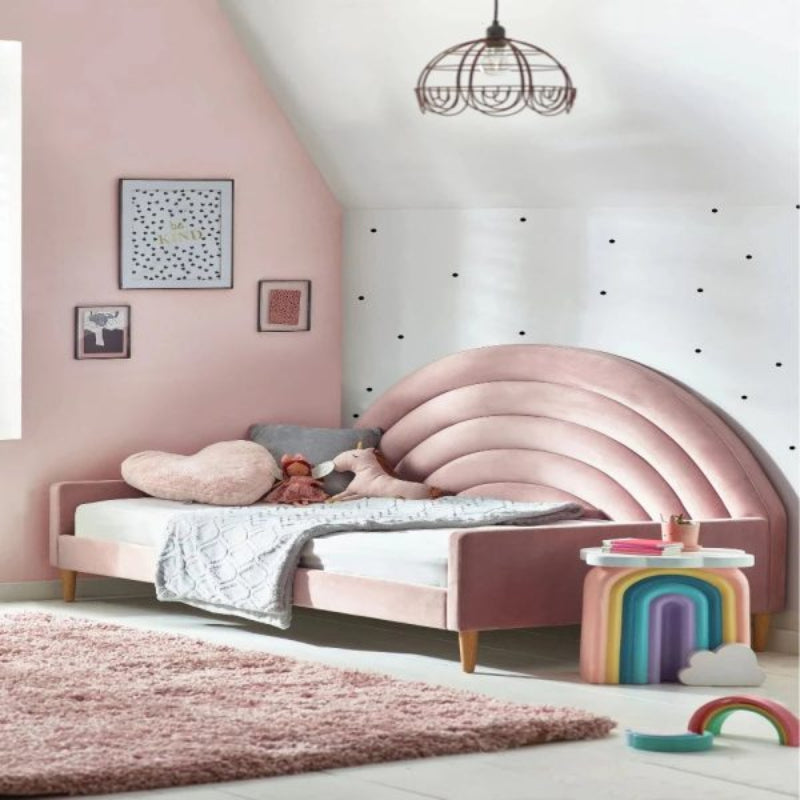
When designing a child’s bedroom, one of the most important furniture choices you’ll make is the bed. A thoughtfully designed kids bed design goes beyond a place to sleep—it becomes a space to play, learn, and grow. From toddler stages to teenage years, the right bed sets the tone for comfort, safety, and style.

In this guide, we explore the most common questions parents ask when planning a bed design for their child. Whether you’re furnishing a nursery or upgrading to a study-cum-sleep setup for your preteen, this article will help you make informed decisions that last.

What should I look for in a good kids bed design?
The most important factor in choosing the right kids bed design is to prioritize safety, durability, and adaptability. Children grow quickly, and so do their needs. A bed that looks cute today may become impractical in just a couple of years if it doesn’t evolve with them.

Checklist for choosing a kids bed:

Rounded corners and smooth edges for safety

Non-toxic paint or polish

Sturdy frame with long-lasting materials like engineered wood or hardwood

Age-appropriate height

Storage options for toys, clothes, or books

Scope for converting into a bigger bed or adding functionality later

It’s important to balance design with usability. If the bed comes with added features like under-bed drawers or a pull-out trundle, it’s a plus for both storage and sleepovers.

Is it better to buy a theme bed or a neutral design?
Theme beds—such as race cars, princess castles, or cartoon characters—are popular among younger children. While they create excitement, they may have a short shelf life. Children often outgrow themed designs quickly as their interests change.

A better long-term approach is to invest in a neutral kids bed design that offers flexibility in decor. You can personalize it using:

Themed bedsheets or cushions

Wall stickers or posters around the bed area

Night lamps and toys matching their current interests

This gives you the freedom to update the room without replacing major furniture. A simple wooden bed or a painted frame in a favorite color works well across age groups and trends.

How do I select the right bed size for kids?
Bed size should depend on your child’s current height, age, and how long you want the bed to last. Many parents make the mistake of buying a small toddler bed and replacing it within a few years.

General size recommendations:

Toddler beds: Best for ages 2–4; smaller in size with side rails

Single beds: Ideal for ages 4 and up; enough space to last into teenage years

Twin beds with storage: Suitable for growing kids and compact rooms

Full-size beds: Work well for teenagers or shared rooms

If you’re limited by space, a single bed with a pull-out trundle can double as a guest bed or an upgrade for when your child outgrows the main one.

Are bunk beds a safe and smart option for children?
Bunk beds are a popular choice in families with two children sharing a room or in homes with limited bedroom space. A bunk bed for kids maximizes vertical space and often adds a fun element to the room. However, safety should always be the top priority.

Guidelines for choosing a safe bunk bed:

Choose one with strong guardrails on the upper bunk

Ensure the ladder is sturdy and easy to climb

Use a thinner mattress on the top bunk to reduce height

Children under 6 should not sleep on the upper bunk

Anchor the bed frame securely to the wall, if possible

Many modern bunk beds come with built-in shelves, desks, or drawers, turning the entire unit into a multi-purpose furniture piece.

How can I design a bed that includes study and storage space?
In urban homes where space is limited, multi-functional bed designs are a game changer. Beds that come with an attached study table, bookshelf, and storage drawers make the room more efficient.

These setups are ideal for children aged 6 and up, who need a dedicated study zone. Options include:

Loft beds with a study desk and storage below

Platform beds with drawers, bookshelves, and side storage

Pull-out study desks attached to a side panel

Beds with wall-mounted shelves for books and school supplies

This kind of design supports productivity and teaches children the importance of organization from an early age.

What materials are best for kids beds?
Kids beds should be built from materials that are durable, safe, and easy to maintain. Parents often choose between wood and engineered wood, while avoiding metals or glass elements that may pose safety hazards.

Popular choices for kids bed materials:

Solid wood: Durable, eco-friendly, long-lasting but more expensive

Engineered wood: Affordable, stable, and available in various finishes

Plywood with laminate finish: Sturdy and resistant to wear and tear

MDF or particle board: Less durable, suitable for temporary use

Make sure that any paints, adhesives, or finishes used are low in VOCs (Volatile Organic Compounds) to ensure the health and safety of your child.


Previous    
Add Order Note
Coupon Code